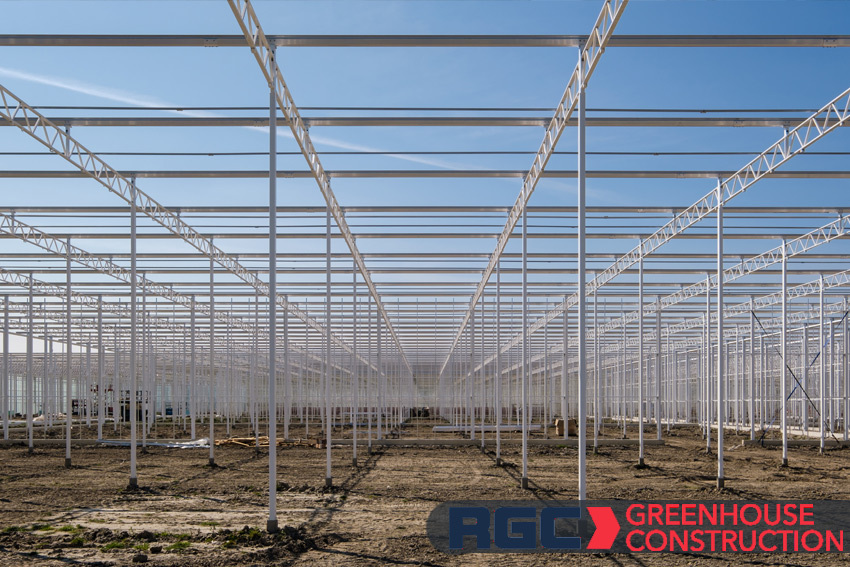
Common greenhouse construction problems cost commercial growers thousands of dollars every year in delays, crop losses, and structural issues that should have been caught early. Poor planning leads to reduced energy efficiency and repeated repairs that eat into profits. Ruthven Greenhouse Construction has spent years helping growers across Leamington and Windsor-Essex County build greenhouse structures that work from day one. This guide breaks down the most common greenhouse construction mistakes and shows how prevention starts long before the first shovel hits the ground.
Poor Site Selection and Land Grading
Why Site Selection Matters
Where you place your greenhouse affects everything sunlight, drainage, and long-term stability. Many growers pick a location based on what is convenient rather than what is best for the structure. A greenhouse built in a low spot collects water around its foundation, which causes damage over time. Nearby trees and tall buildings block sunlight during peak growing hours and force you to spend more on supplemental lighting.
How to Get It Right
Your site should receive at least 6 to 8 hours of direct sunlight daily. Avoid placing your greenhouse near anything that casts shadows across the growing area. The ground should be well-draining garden soil that does not hold standing water after rain. Proper construction grading moves water away from the structure instead of letting it pool at the base. Ruthven Greenhouse Construction provides professional site preparation services that handle drainage, soil compaction, and land leveling before any building starts.
Weak Foundations and Anchoring Systems
Your greenhouse foundation supports the full weight of the frame, glazing, and every system inside the building. Undersized footings or skipped foundation work leads to instability that gets worse each year. Ontario winters bring heavy snow loads. The Windsor-Essex corridor also sees strong winds off Lake Erie. If your foundation cannot handle these forces, the entire structure is at risk.
Good foundations start with proper engineering that accounts for local garden soil conditions, frost depth, and load requirements. Ruthven Greenhouse Construction handles both excavation and footings and foundations under one roof. This removes the miscommunication that happens when different subcontractors manage separate parts of the same project.
Inadequate Ventilation and Climate Control
The Cost of Poor Airflow
Improper ventilation is one of the most damaging greenhouse construction problems in commercial growing. Without enough air exchange, heat buildup pushes temperatures up fast during summer. Rising humidity levels encourage mold, mildew, and pathogen growth that stunt crop development and lead to poor plant health across the entire greenhouse.
Ventilation Best Practices
A good ventilation system uses roof vents, side vents, and mechanical fans that circulate air through the full structure. Place a sensor in each growing zone to track temperature and humidity in real time. Add a second sensor near the ridge line to catch heat buildup early, before it damages crops. Automated vent controllers adjust airflow without anyone needing to step in manually.
Plan your ventilation during the commercial greenhouse design phase to avoid expensive changes after the build. Ensure your greenhouse ventilation matches the crops you grow, whether that is tomato production or tropical plants that need higher humidity and steady temperatures.
Using Low-Quality Materials
Going with the cheapest materials saves money upfront but costs more over time. Low-grade glazing panels cloud up within a few years and let less light reach your crops. Thin framing bends under snow loads and corrodes faster in a humid greenhouse. Inspect all materials when they arrive to make sure they meet commercial-grade standards.
In colder climates like Ontario, weak insulation drives up heating costs and forces growers to run a heater system at full output all winter. The materials in your greenhouse must stand up to humidity, temperature swings, UV exposure, and harsh seasonal weather. Ruthven Greenhouse Construction uses commercial-grade materials built for the demands of large-scale operations. Choosing quality from the start lowers maintenance and repair costs over the life of the building.
Ignoring Building Permits and Local Regulations
Many greenhouse projects stall because owners skip the permit process. Ontario municipalities require building permits for commercial greenhouse structures. The approval process includes site plans, structural engineering reviews, and compliance checks. Starting without permits can lead to stop-work orders, fines, or forced changes to your build.
Key permit requirements for commercial greenhouses in Ontario include:
- Ontario Building Code compliance for structural design and load ratings
- Municipal zoning approval for agricultural or commercial use
- Setback requirements from property lines and adjacent buildings
- Environmental assessments for drainage and water management
- Electrical and mechanical permits for electricity, heater installations, and greenhouse controls
Ruthven Greenhouse Construction knows the commercial building permit process in Windsor-Essex and helps growers get approvals before breaking ground. Local knowledge of municipal rules prevents delays and keeps your timeline on track.
Improper Greenhouse Orientation
The direction your greenhouse faces controls how much sunlight your crops receive throughout the day. Poor orientation creates uneven light — some areas get too much, others not enough. Growers then need a shade cloth system or extra lighting just to balance conditions inside the structure.
Most commercial greenhouses in Ontario perform best with a north-south orientation. This spreads sunlight evenly across the growing area as the sun moves east to west. Orientation should be finalized during commercial greenhouse planning before foundation work begins.

Skipping Professional Site Preparation
Jumping into construction without proper site work creates problems that are expensive to fix later. Loose soil settles unevenly under foundations and causes shifting. Bad drainage pushes water toward the building instead of away from it. Utility connections added as an afterthought require extra trenching and disrupt finished work.
Professional site preparation includes:
- Clearing vegetation and debris from the build area
- Grading the land for proper drainage slopes
- Compacting soil to prevent foundation settlement
- Trenching for water, electricity, and drainage lines
- Confirming setbacks and property boundaries
Ruthven Greenhouse Construction provides full excavation services to prepare your site properly. Having one contractor handle both site work and construction removes the scheduling gaps and finger-pointing that come with hiring multiple companies.
Incorrect Covering Installation
Greenhouse coverings need the right weather and careful handling during installation. Putting up polyethylene film on windy days causes wrinkles, weak spots, and tearing. Schedule covering work for calm, sunny days so the film stretches evenly and seals tight. Polycarbonate panels that are not sealed properly let moisture get between the layers, which reduces both insulation and light.
Loose coverings flap in the wind and wear out fast. Coverings pulled too tight crack when temperatures change. Experienced greenhouse structure installers know the right tension, fasteners, and sealing methods for each material type.
Overlooking Sanitation and Growing Environment Setup
Even a well-built greenhouse fails if the growing environment promotes disease. Disinfect all container surfaces, benches, and tools before your first planting cycle. A diluted white vinegar solution or commercial cleaner removes residue from each container and work surface effectively. Sterile conditions lower the chance of pathogen transfer from old crops or dirty equipment.
Install automated irrigation and fertilization systems during the build — not after. Proper fertilizer delivery through drip lines gives plants consistent feeding without waste. Every container and growing station should tie into your water and drainage setup from the start. These steps create a thriving environment for your plants and protect your investment long-term.
Build Your Greenhouse the Right Way with Ruthven Greenhouse Construction
Avoiding greenhouse construction problems starts with the right construction partner. Ruthven Greenhouse Construction delivers complete commercial greenhouse services across Leamington, Kingsville, and Windsor-Essex County. From excavation and site preparation to greenhouse structures and greenhouse maintenance, every phase stays under one experienced team. The result is healthier plants, lower costs, and a greenhouse built to thrive for decades. Contact Ruthven Greenhouse Construction today to start your next project.

Share This Article
Choose Your Platform: Facebook Twitter Google Plus Linkedin