Building a greenhouse in Ontario is a major decision. The structure you choose shapes your operation for the next two to three decades, and the right commercial greenhouse builder in Ontario affects crop yields, energy costs, and your ability to expand in the future.
Ontario’s greenhouse industry centers around Leamington and Essex County, who hosts more glass acreage than any other region in North America. Your greenhouse builder must understand winter snow loads, wind rules, and the demands of commercial agriculture in this sun-parlor climate. Picking the wrong partner leads to delays, code violations, and costly retrofits that put long-term success at risk.
Why Your Builder Selection Matters
A commercial greenhouse is a major capital project. The structure you invest in today must serve your plants, your profits, and your future growth. The right builder protects that investment through strong engineering, durable materials, and proper site preparation. The wrong choice produces structures that fail under heavy snow, leak heat through poor glazing, or violate Ontario building codes.
Greenhouse projects also involve many trades. These include excavation, foundations, steel building erection, electrical, plumbing, and automation. A builder with full-service capabilities removes the burden of managing multiple contractors and reduces operational risk. Operations that pick the cheapest bid often pay double when site preparation fails or systems do not match the structure.
Five Things to Consider Before Hiring
1. Local Experience in Ontario Commercial Agriculture
Look for builders with deep roots in Ontario commercial agriculture. A company with twenty or more years of regional experience knows the soil conditions, drainage needs, and seasonal construction windows. Builders based in Leamington, Kingsville, or Windsor-Essex County also know the suppliers, inspectors, and subcontractors who keep projects on schedule. Local experience means familiarity with municipal permit processes and code compliance reviews.
Ask how many greenhouse projects the builder has finished within fifty kilometers of your site. A capable team will adapt designs to your land layout and orientation to maximize sunlight and airflow.
2. In-House Capabilities and Full-Service Greenhouse Solutions
Companies that handle design, fabrication, excavation, and installation in-house deliver better workmanship and faster timelines. Full-service builders coordinate every phase, which reduces gaps between trades. Whether you need a freestanding greenhouse or a multi-bay gutter-connected system, one partner can match the structure to your unique needs.
Ask whether the builder fabricates its own steel frames or hires that work out. Confirm they can manage foundations, utility hookups, and system integration. One point of accountability also simplifies warranty claims and service calls after construction.
3. Site-Specific Engineered Drawings and Frame Materials
Ontario building codes require professional engineer (P.Eng) stamped drawings for commercial structures. Your builder must produce site-specific drawings that account for local snow loads, wind exposure, and soil conditions. Generic drawings copied from other projects will fail municipal review and delay your build by months.
Frame materials also impact long-term durability. Most commercial greenhouses in Ontario use hot-dipped galvanized steel for strength under heavy snow. Aluminum framing is more common in smaller hobby or research structures. Ask the builder which frame material suits the scale of your operation, and request engineering credentials in writing.
4. Energy Efficiency, Heating and Cooling Systems
Ontario electricity rates and provincial sustainability rules push growers toward energy-efficient designs. A capable builder offers double-glazing, thermal screens, strong insulation, and modern climate control. These features reduce operating costs and extend the growing season for year-round production.
Sunlight management is crucial. Building orientation, glazing clarity, and shade curtain placement all affect light delivery to each plant. Ventilation systems and cooling systems work together to cool the interior during hot months. Heating and cooling integration with airflow design keeps temperatures stable. Ask about glazing options such as polycarbonate versus glass, insulation values, and how the structure supports automated climate control.
5. References and Project Portfolio
A trustworthy builder shares case studies and connects you with past clients. Request references for projects similar to yours in size, crop type, and facility complexity. Visit completed sites if possible. Speak with growers about timeline performance, budget accuracy, and post-construction support. A builder with no portfolio is a builder you cannot trust with millions in capital.
Essential Questions to Ask Before You Sign
Never sign a greenhouse construction contract without clear answers to the following essential questions. You must know what you want before contract talks begin. A focused conversation produces sharper answers and fewer surprises later.
- Permits and Drawings: Will you submit site-specific engineered drawings to my municipality and manage the building permit process from start to finish?
- Site Preparation Scope: Does the quote include leveling, grading, drainage, foundation work, and utility hookups, or only the structural shell?
- Project Timeline: What is the guaranteed start and completion date, and what penalties apply for delays caused by your team?
- Materials and Lifespan: What steel finish is used (hot-dipped galvanized or pre-galvanized), and what is the expected service life of the glazing material?
- System Integration: How do your structural designs work with ventilation, heating, lighting, and irrigation automation?
- Warranty and Workmanship: What is the warranty period for materials, structural components, and installation labor?
- Service Availability: What maintenance and repair services do you offer, and are technicians available locally for urgent issues?
Get these answers in writing as part of your contract. Verbal promises disappear when problems show up on site.
Ontario-Specific Considerations for 2026
Several factors shape commercial greenhouse projects in Ontario this year. Rising electricity costs push more growers toward automated lighting and HVAC systems that reduce peak demand. Ontario Environmental Compliance Approval (ECA) rules for stormwater and wastewater apply to most large greenhouse operations and have a direct impact on site design.
Modular design is also becoming standard. Growers want the option to expand without rebuilding from scratch. Ask your builder how they handle ECA paperwork, automation integration, and modular expansion planning. A builder unfamiliar with these rules will create compliance gaps and limit your future growth.
Red Flags That Should Stop You From Signing
Some warning signs separate trustworthy builders from risky operators. These are important to consider during your evaluation:
- Quotes that exclude site preparation, drainage, or permit costs without explanation
- No P.Eng stamped drawings or engineering partners named in the proposal
- Reluctance to share references from past Ontario projects
- Vague timelines with no defined milestones or delay penalties
- Limited or no warranty coverage on installation labor
- No local presence in Windsor-Essex or Southwestern Ontario
A reputable builder welcomes detailed questions and provides documentation without hesitation. Vague answers and missing paperwork point to bigger problems once construction begins.
Why RGC Stands Out for Windsor-Essex Growers
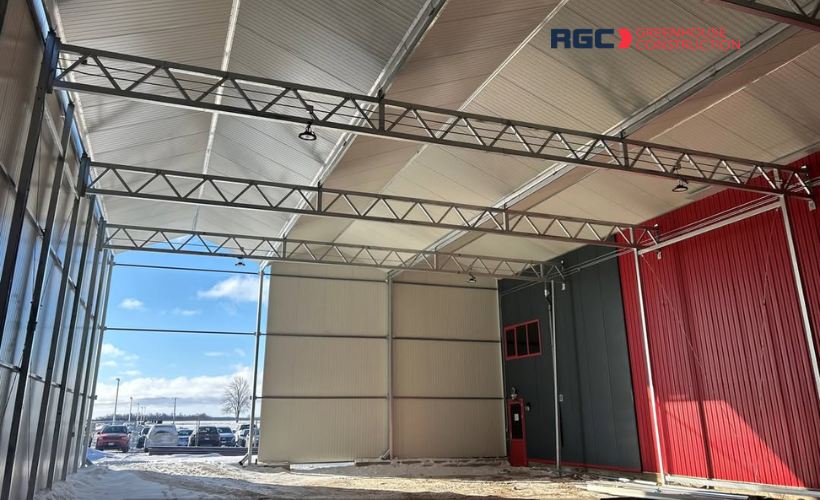
Ruthven Greenhouse Construction has built large scale greenhouse structures, steel buildings, and warehouses across Leamington, Kingsville, and Windsor-Essex County for years. The team understands local building codes, soil conditions, and the seasonal pressures that drive commercial growers. RGC delivers full-service greenhouse maintenance solutions under one roof, including:
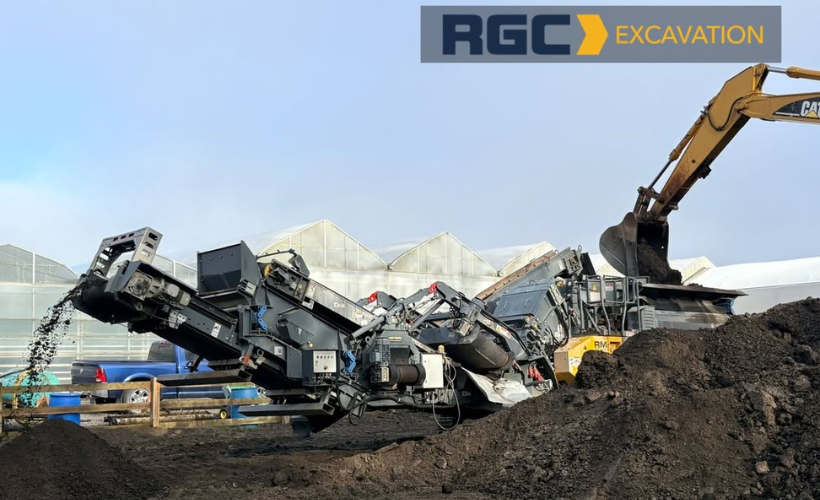
- Site preparation and excavation
- Foundation and footing installation
- Greenhouse structure erection
- Steel building construction
- Commercial drainage systems
- Maintenance and retrofit services
This single-source approach removes coordination headaches and helps you find the right greenhouse for your needs. Local supplier relationships reduce delays. In-house experience across every phase means problems get solved on site rather than passed between contractors. RGC also handles permit submission and engineered drawings, which helps you equip your facility with the systems needed for a perfect greenhouse build.
Take the Next Step With Confidence
Building a greenhouse defines your operation for decades. You need to know the partner behind the work will stand behind it. A careful selection process protects your capital, your timeline, and your future expansion options. Ask the right questions, check local experience, and demand site-specific engineering before you sign anything.
 If you are evaluating a commercial greenhouse builder in Ontario for your next project, contact Ruthven Greenhouse Construction today. The RGC team will walk you through site preparation, structural options, system integration, and a clear timeline that supports your long-term success. Visit our contact page to schedule a consultation and start your project with a partner who knows Windsor-Essex County inside and out.
Share This Article
Choose Your Platform: Facebook Twitter Google Plus Linkedin